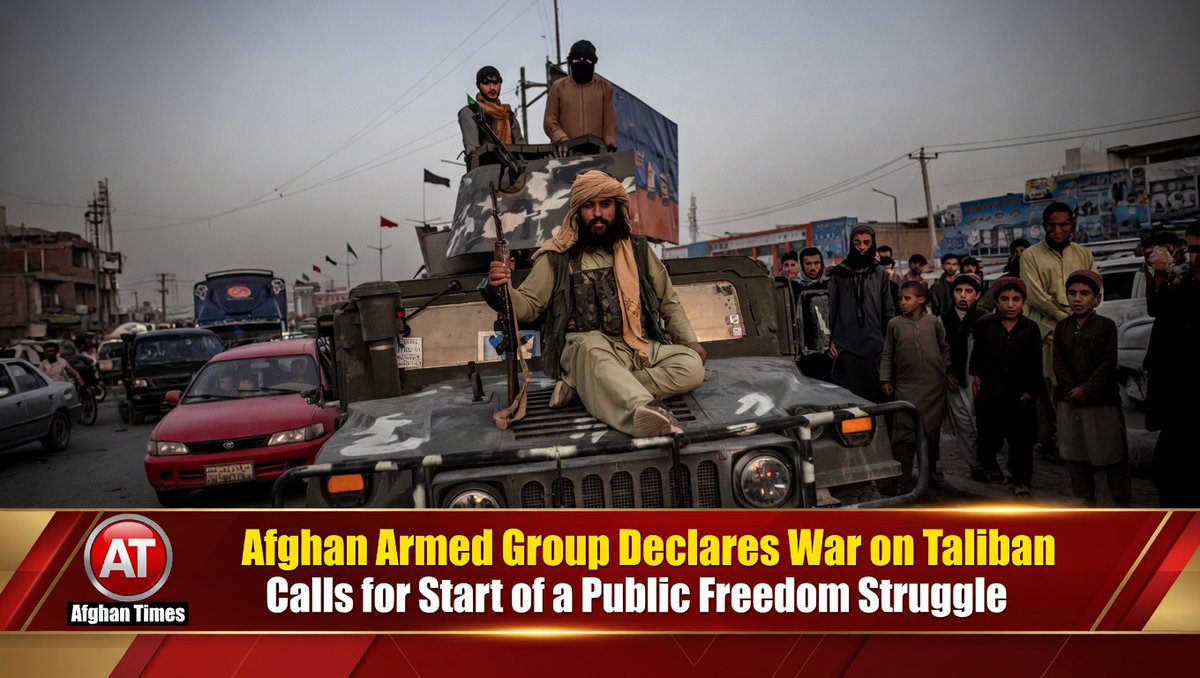
A 30 member Tajik armed group led by Zabit Karim has reportedly declared war on the Taliban in Badakhshans Khastak Valley. The development, if substantiated, signals a notable shift in local security dynamics and could mark the emergence of a broader resistance movement rather than a simple isolated incident. My reading of the situation is that this move reflects underlying grievances over Taliban governance in remote border areas, where state presence is often uneven and local loyalties can be shaped by ethnic, tribal, or regional identities. The reported deployment of Taliban units from the provincial center and Baharak district toward Khastak suggests the Taliban are treating the valley as strategically important and potentially as a flashpoint for broader influence in Badakhshan. The Tajik group calling this action the start of a public freedom struggle implies a record designed to mobilize civilians against Taliban control, a tactic that could either galvanize support or provoke reprisals, depending on local perceptions of the groups involved. At this stage no clashes have been verified, but the high level of tension and the simultaneous mobilization on both sides indicate a preparedness for confrontation that could escalate quickly if skirmishes occur. The risk of escalation is heightened by the region’s geography, with Khastak Valley close to international borders and corridors that could enable cross border movement of fighters, weapons, or refugees. Local sources reporting increased Taliban movement and security presence nearby underscore a fragile security equilibrium and potential for rapid deterioration if miscalculations occur on either side. If fighting does break out, observers warn that the conflict could spread beyond Khastak Valley to other parts of Badakhshan, a province already strained by multiple security challenges and humanitarian needs. The implications extend beyond immediate casualties; civil disruption could threaten aid delivery, livelihoods tied to mountainous terrain, and access to essential services for vulnerable populations. My assessment is that the situation warrants cautious monitoring by regional actors and international organizations, with emphasis on protecting civilians, opening dialogue channels where possible, and preparing humanitarian response plans that can be scaled up quickly in the event of displacement or disruption. While the news presents a potentially destabilizing development, it also highlights the enduring fragility of security arrangements in Afghanistan’s border regions and the importance of inclusive governance that addresses local grievances before they harden into armed conflict. In my view, preventing a broader confrontation will require careful diplomacy, confidence building between local communities and authorities, and a focus on humanitarian relief and stability measures that reduce incentives for further militant mobilization.
Source: Statement from @AfghanTimes7
Public Engagement: 7 views
Published: May 5, 2026, 9:57 am
Editorial Note: This article is based on publicly available information and official statements. We strives for accuracy and fairness in all reporting.